
Center for Emission Control Karlsruhe
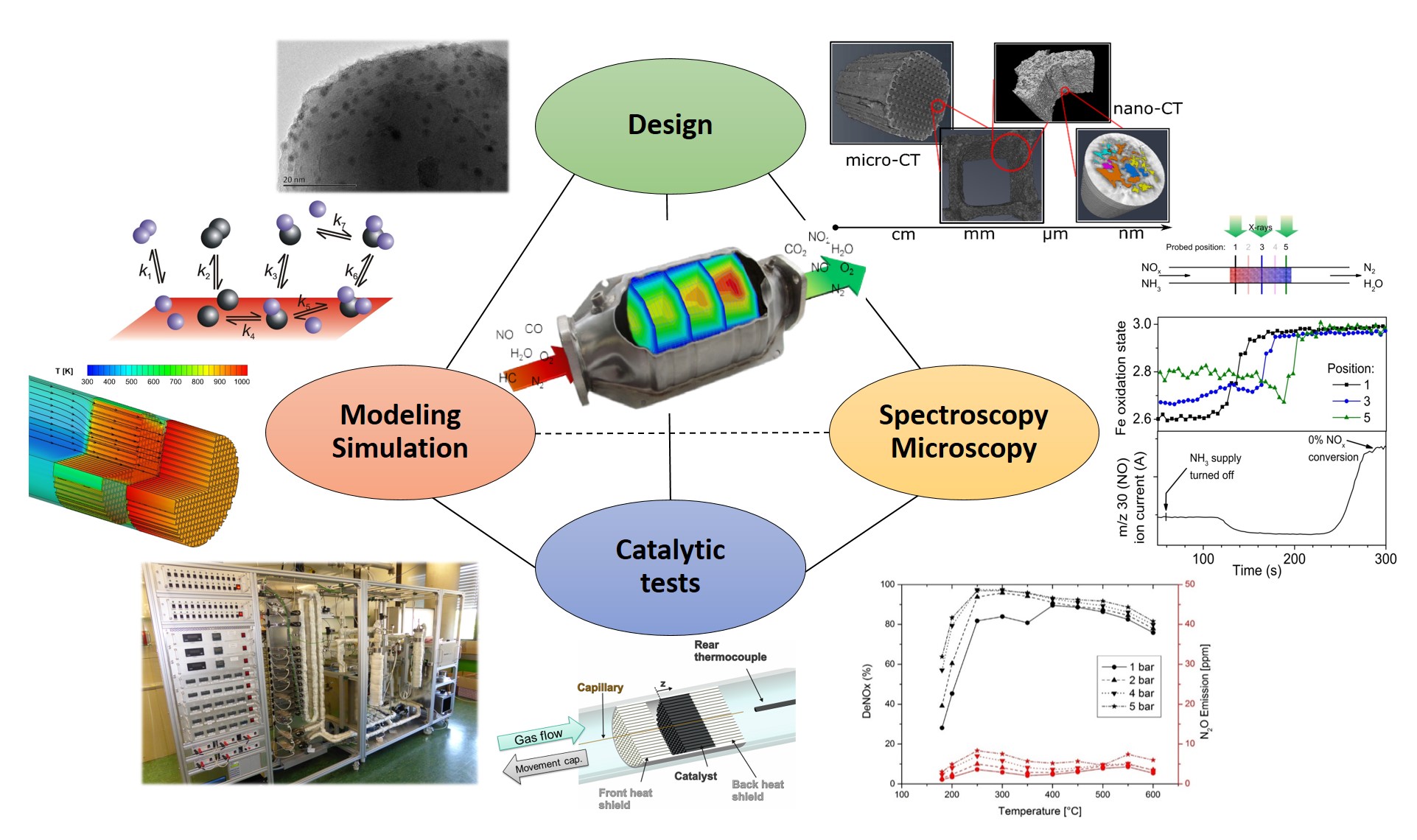
The Center for Emission Control Karlsruhe is one of the largest research organizations in Germany exclusively dedicated to the catalytic removal of pollutants. Founded in 2010 as an interdisciplinary organization at the Karlsruhe Institute of Technology, Germany, the center brings together the catalysis research groups from the Institute for Chemical Technology and Polymer Chemistry with complementary expertise ranging from catalyst preparation and testing to in-depth characterization, modeling and simulation of chemical reactions and transport phenomena. Herewith, all length-scales relevant for emission control are considered, starting from an atomic-level understanding to design of full-scale realistic catalysts and reactors.
News

Embedded in the PoWer project, Patrick Lott and his Catalytic Reactors team develop modern catalyst formulations to enable efficient emission control in hydrogen-powered engines for off-road commercial vehicles. Driven by the need to decarbonize off-road machinery that is difficult to electrify, the interdisciplinary project bridging academia and industry aims to deliver a concept for a full-scale prototype of a hydrogen-powered agricultural machine by mid-2027 and has recently been highlighted in the Research to Business portfolio of the Karlsruhe Institute of Technology (KIT). 11.03.2026
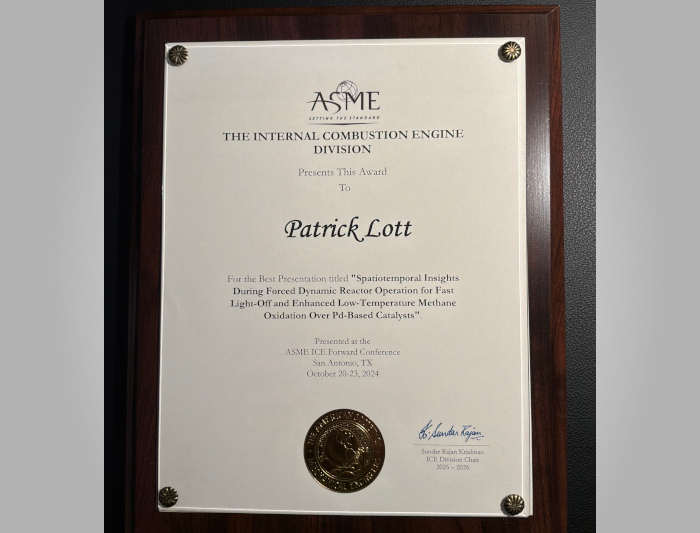
Patrick Lott, group leader at ITCP and CTO of the Center for Emission Control Karlsruhe, received the Best Presentation Award from the American Society of Mechanical Engineers (ASME), ICE Division, for his talk titled “Spatiotemporal Insights During Forced Dynamic Reactor Operation for Fast Light-Off and Enhanced Low-Temperature Methane Oxidation over Pd-Based Catalysts.” The award was presented during this year’s ICE Forward Conference, held in Milwaukee, WI, USA, from October 19–21. Congratulations to Patrick on this achievement! 27.10.2025

An interdisciplinary consortium of partners from industry and academia aims at developing robust hydrogen combustion engine applications that allow to decarbonize the off-road sector. We are happy to contribute to these efforts with the development of innovative catalysts for efficient emission control. November 2024.
more information
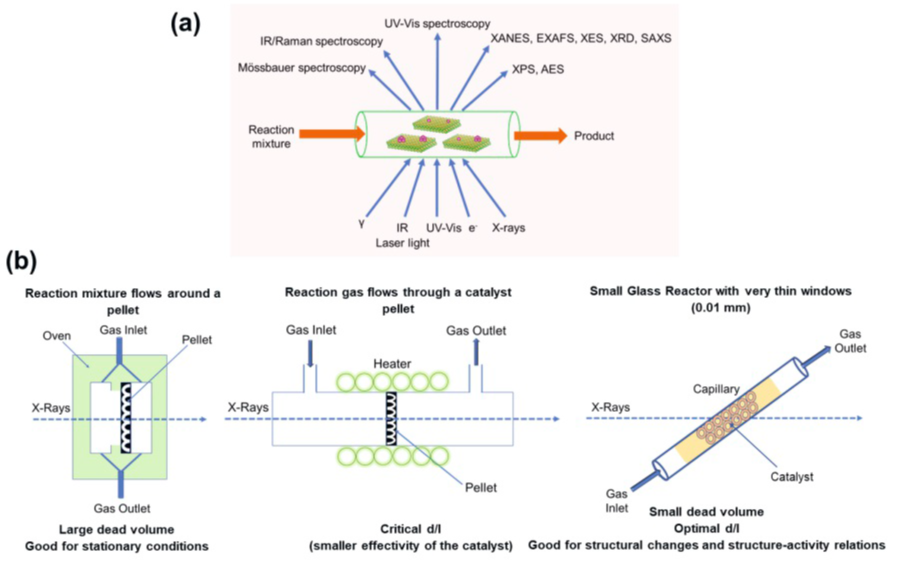
Bidyut Bikash Sarma and Jan-Dierk Grunwaldt show in their new publication in CHIMIA that for understanding the catalyst system under true reaction conditions, operando spectroscopy is the key to unravel small changes, which can ultimately lead to a significant difference in catalytic activity and selectivity. June 2024.
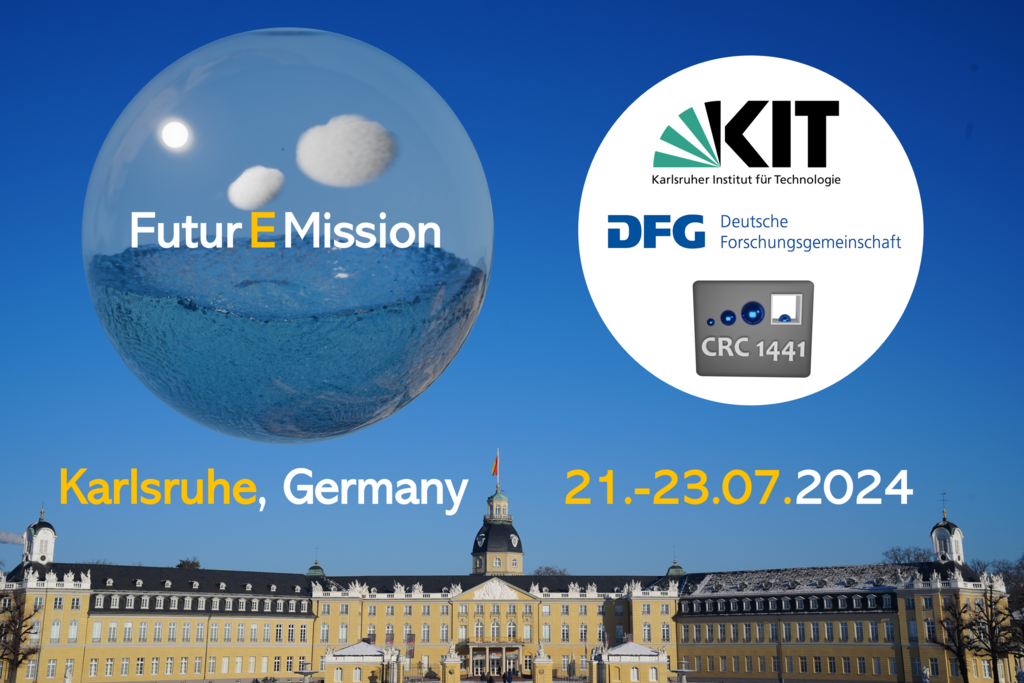
Emission control is recognized as a technology that is traditionally very important for clean air and will enable progress in other areas - most notably the energy transition, which is considered one of the most pressing issues of our time. In the 2-day conference we aim to bring together the international community in the field of emission control and to present and discuss new challenges, concepts and solutions in the scientific field. April 2023.
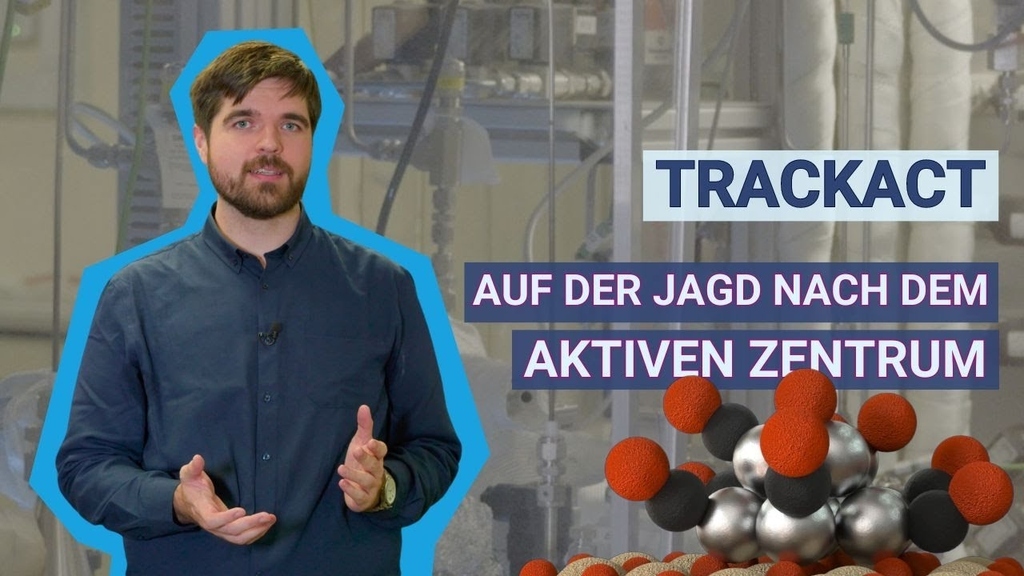
How do catalysts work and what do they look like during the reaction? These are the key questions for the development of efficient catalytic processes, the understanding of which is the ultimate goal of the interdisciplinary Collaborative Research Center (CRC) TrackAct. The CRC is presented in a video. March 2024.