
Reduction of green-house gas emissions
We are engaged in the reduction of emissions of the greenhouse gases CO2, CH4 and N2O from processes in chemical industry, traffic, transportation, and energy-intensive industries as well as the development and optimization of novel and existing chemical technologies. Hydrogen as climate-friendly energy carrier is of special importance. The production of hydrogen and the capture of carbon are investigated by methane pyrolysis in moving bed reactors. Methane coupling by high-temperature catalysis is studied as an alternative process for ethylene and acetylene production directly from natural gas.
The utilization of CO2 is studied in catalytic dry reforming of natural gas for the production of synthesis gas and for cleaning the off-gases of the steel industry as well as for methanol production and methanation using green hydrogen. Even internal combustion engines are applied to serve as CO2 reformer using this greenhouse gas instead of producing it.
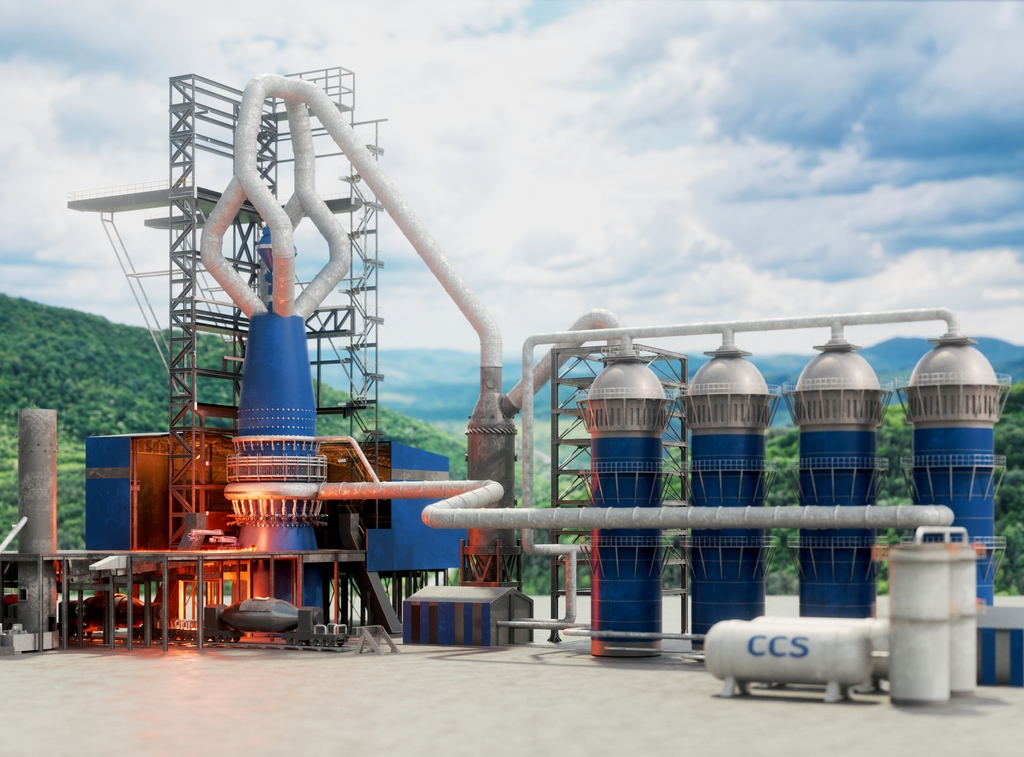
Today, three quarters of steel production is carried out using the so-called blast furnace process. This means that coke is required to extract oxygen from the iron ore to process it into pig iron. ...
more information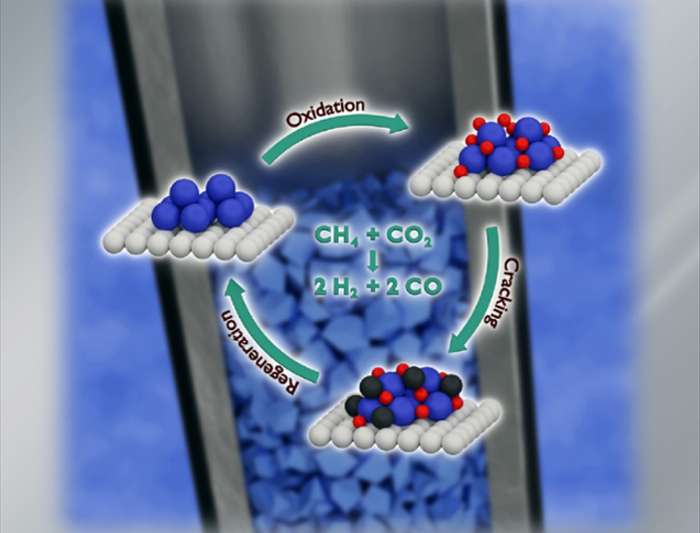
Catalytic CH4-CO2 reforming has been of interest for a long time. It combines CH4, the principal component of natural gas used as source of energy, and CO2, a mayor problematic greenhouse gas, ...
more information
Gas-liquid contactors are a central technology in the chemical industry, widely used for reaction and separation processes such as carbon capture. Improving the efficiency of these systems is particularly important ...
more informationThe research group is investigating the extent to which high-temperature conversions in reciprocating machines can flexibly release useful chemicals together with energetic variables such as work or heat.
see also: https://www.uni-due.de/for1993/home.php